Wheelchair Ramp Installation Services in Pasadena, CA
Wheelchair Ramp Installation Kings provides wheelchair ramp installation, modular ramp rental, and threshold ramp installation services in the Pasadena, CA area for homes, apartments, and businesses, sized for manual wheelchairs, power chairs, and scooters. Contact us now for a free estimate.
How Much Does Wheelchair Ramp Installation Cost in Pasadena, CA?
Wheelchair ramp installation in Pasadena, CA costs anywhere from $1,170 to $3,820 on average for a modular aluminum or wood ramp of about 10 to 25 feet at a home entrance. The price depends on the height of the entry, which sets the ramp length, the material, the number of turns and landings, handrails, the weight the ramp must carry, and whether you rent or buy.
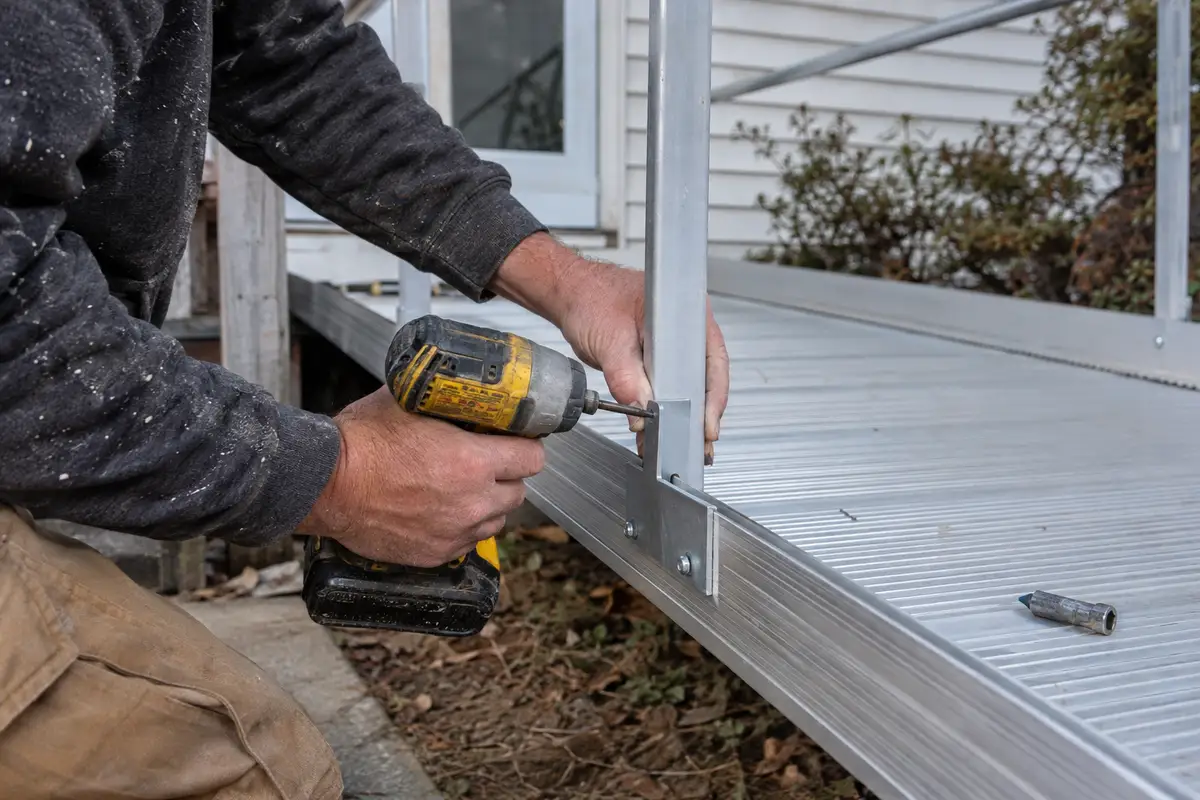
Do You Install Wheelchair Ramps for Homes, Apartments, and Businesses?
Yes, we install wheelchair ramps at houses, mobile homes, apartments, churches, and small businesses. Most of our jobs are a single home entrance, so tell us which door the ramp needs to reach.
Do You Service My Area?
Yes, we cover the Pasadena, CA area. Send us the property address and we'll confirm.
How Soon Can You Install a Wheelchair Ramp?
Modular ramps are typically installed within 24 to 48 hours of approval. Wood or concrete ramps take longer to plan and build, and longer again if a permit is needed.
Can You Have a Ramp Ready Before Someone Comes Home From the Hospital?
Yes, in most cases, if you call as soon as a discharge date is planned. A family member can send us the measurements and photos, and a rented modular ramp is usually the quickest option.
How Long Does Wheelchair Ramp Installation Take?
We put most modular ramps in within a day. A built wood ramp takes longer, depending on its length and footings, and concrete takes longer again because it has to cure.
What Information Do You Need for a Wheelchair Ramp Quote?
We need the address, the height from the ground to the door threshold, photos of the entry and yard, and the type of chair. Tell us the combined weight of the user and chair, and whether someone pushes it.
How Do I Measure the Rise for a Wheelchair Ramp?
Measure straight down from the top of the door threshold to the ground where the ramp will end. Include the threshold itself, and send us the number with a photo of the tape.
How Long Does My Wheelchair Ramp Need to Be?
About 1 foot of ramp for every inch of rise, which is the 1:12 slope we use by default. A 24 inch rise needs about 24 feet of ramp, plus level landings.
Can the Ramp Be Steeper if Someone Pushes the Wheelchair?
Yes, at a private home a ramp can be steeper when a helper always pushes, often up to 2 inches of rise per foot. It's harder on the helper, so we stay near 1:12 when the yard allows.
Can the Ramp Be Steeper for a Power Wheelchair or Scooter?
Yes, sometimes, but heavy power chairs can tip or lose grip on a steep ramp, and some makers ask for a gentler slope than 1:12. Send us the chair or scooter model so we can check its manual.
How Much Weight Can a Wheelchair Ramp Hold?
Portable folding ramps are often rated around 600 pounds, and some modular ramps carry up to 1,000 pounds. We size yours for the user, the chair, a helper, and gear like oxygen tanks together.
How Wide Should a Wheelchair Ramp Be?
At least 36 inches between the handrails, and 42 to 48 inches is easier for power chairs, scooters, and anyone walking beside the chair.
Does a Wheelchair Ramp Need Handrails?
Yes, once the rise is more than 6 inches we put rails on both sides, about 34 to 38 inches high, with a raised edge so a wheel can't slip off.
Which Is Cheaper, Renting or Buying a Wheelchair Ramp?
Renting is usually cheaper if you need the ramp for under a year, such as during recovery from surgery. Rentals typically run $100 to $300 a month plus installation, so we suggest buying for longer needs.
Can I Get a Price Before the Work Begins?
Yes, we measure the rise and the space, sketch the layout, and confirm the price before starting. If the site needs extra work, like leveling or footings, we tell you first.
Will Medicare Pay for a Wheelchair Ramp?
No, traditional Medicare usually does not cover ramps. Some Medicare Advantage plans, state Medicaid home modification waivers, and VA housing grants for eligible veterans can help, so check with them before we start.
Will I Need to Be Home During the Installation?
No, as long as we can reach the entry and the layout is approved. It helps if the wheelchair user can be there at the end to try the ramp once with us, so we can fix any lip at the door.
Can I Get a Wheelchair Ramp if I Rent My Home?
Yes, but we need written permission from your landlord or property manager first. A modular ramp is often easier for a landlord to approve, since it comes out without leaving much behind.
Do I Need a Permit for a Wheelchair Ramp?
Yes, in some towns. Permanent wood or concrete ramps often need one, especially once the ramp is about 30 inches above the ground, while modular ramps often don't. Your local building office decides, and we can tell you what's usually required.
Can You Build a Ramp Over My Front Porch Steps?
Yes, we run the ramp from the porch or a new top landing down to the walk or driveway. Tell us how many steps there are and how much yard sits in front of them.
Can You Install a Wheelchair Ramp From My Deck or Back Door?
Yes, a back door or deck often has a lower rise, so the ramp is shorter.
Can You Fit a Ramp if My Yard Is Too Small for a Straight Run?
Yes, in most cases, by turning the ramp with an L-shape or a switchback. We add a level landing about 5 feet square at each turn, and extra room at the door if it swings out.
Can You Put the Wheelchair Ramp in My Garage?
Yes, a ramp from the garage floor to the house door keeps the user out of the weather. Tell us the step height and how much floor space you can give up next to the car.
Can You Install a Ramp Over a Raised Door Threshold or Sliding Door Track?
Yes, we install aluminum or rubber threshold ramps for doorway lips and sliding door tracks.
Can You Install a Ramp Inside My House?
Yes, we install short indoor ramps for sunken rooms, step-down additions, and raised doorways. Indoor ramps are short, so the price is usually far lower than an outdoor ramp.
Can You Build a Wheelchair Ramp for a Mobile Home?
Yes, mobile homes usually sit high, so the ramp tends to be long with one or more turns and rest landings. Tell us the height from the ground to the door.
Is a Portable Ramp Enough for One or Two Steps?
Yes, sometimes. A folding ramp can work for a single step with a helper, but it's steep for a self-propelled chair, so for two or more steps we usually recommend a fixed ramp.
What if My Door Is Too High for a Ramp?
We may suggest a vertical platform lift. A rise of 5 feet needs about 60 feet of ramp plus landings, and some yards can't fit that.
Can You Install a Used Wheelchair Ramp I Bought?
Yes, if it's a modular system with all its parts and nothing is bent or cracked. Send us the brand and the section lengths so we can see if it covers your rise.
Can You Fix My Old Wooden Wheelchair Ramp?
Yes, we replace soft or rotted decking, loose rails, and sunken posts. If the frame is rotted or the ramp is too steep, replacing it usually makes more sense.
Do You Have to Attach the Ramp to My House?
No, in most cases. A modular ramp stands on its own legs.
Will Installing a Ramp Tear Up My Lawn or Driveway?
No, not usually. Modular ramps sit on adjustable legs and footpads without digging. A permanent wood ramp may need post holes or footings, and concrete needs forms and excavation.
Which Is Better for a Wheelchair Ramp, Aluminum or Wood?
Aluminum won't rot or warp, needs almost no upkeep, and we can take it out or move it later. Wood costs less in some places and can match a porch, but it needs sealing and decking repairs over time.
Which Ramp Surface Is Least Slippery for Wheelchair Tires?
Textured aluminum, steel mesh, and broom-finished concrete grip best when wet. Plain wood gets slick, so we add grit strips or anti-slip coating to wood ramps.
Which Is Better for a Wheelchair User, a Ramp or a Stairlift?
A ramp, in most cases. A stairlift means getting out of the chair and keeping a second chair upstairs, and it can't carry a power chair. We usually suggest stairlifts only for people who still walk a little.
Can I Build a Wheelchair Ramp Myself?
Yes, but it's an advanced carpentry project. The common mistakes are a slope that's too steep, a bump at the door threshold, and landings too small to turn a chair.
How Should a Caregiver Push a Wheelchair on the Ramp?
Push forward going up and back the chair down going down. Turn only on a level landing, never on the slope, and we'll show you on the day of install.
Can I Use Salt on a Metal Wheelchair Ramp?
No, rock salt can corrode steel and some aluminum. Clear snow with a broom or plastic shovel and use a de-icer the ramp maker approves.
Can You Move My Ramp to Our New House?
Yes, a modular ramp can be taken apart, reconfigured, and reinstalled at a new address. The new entry may need extra sections or a different turn, so send us its height and a photo.
What Happens to the Ramp When We No Longer Need It?
We can take a modular ramp out and patch the anchor points. Some suppliers buy back or take donated ramps, so ask about that when you buy.
